
Learn Arabic Alphabets with Tarteel Quran Academy through engaging and interactive lessons designed for beginners of all ages.
Learning Arabic letters is the first and most important step toward reading the Quran fluently and understanding the Arabic language with confidence.
At Tarteel Quran Academy, students receive personalized guidance from experienced teachers who focus on correct pronunciation, letter recognition, and writing skills. The course uses simple methods, fun activities, and practical exercises to make learning easy and enjoyable.
Those who found this helpful often continue with our Arabic classes near you. It’s worth pairing this with our Online Arabic Classes London for a fuller picture.
Whether you are a child or an adult, mastering Arabic alphabets will help you build a strong foundation for future Arabic reading, writing, and Quran recitation skills successfully.
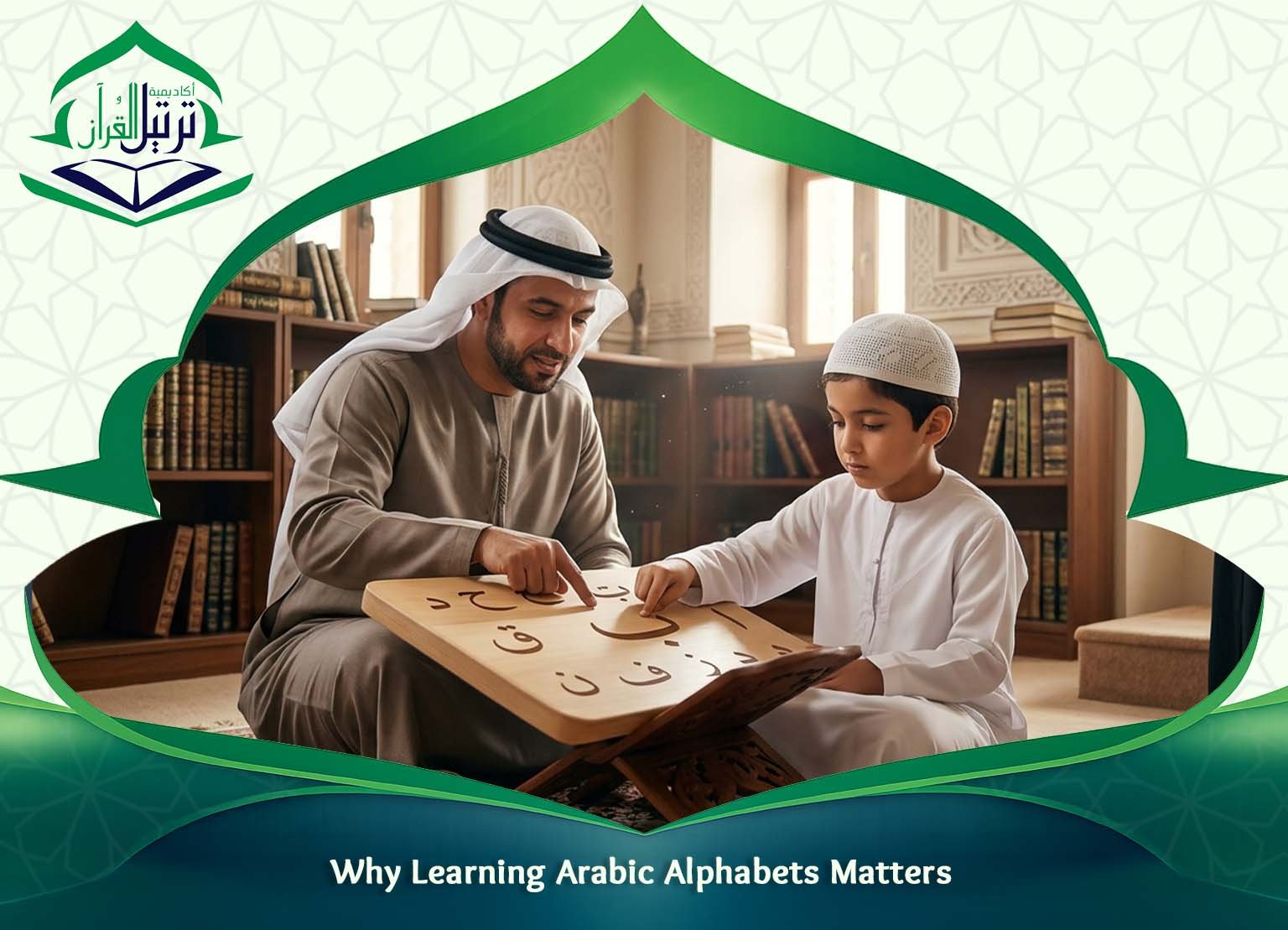
Why Learning Arabic Alphabets Matters
For a deeper dive, take a look at our Arabic Class for Kids.
Arabic alphabets represent the foundation of the entire Arabic language. Students cannot read words or sentences before mastering individual letters correctly. Therefore, understanding shapes, sounds, and writing patterns becomes essential from the beginning.
Arabic letters also connect directly to Quran recitation. Every letter has a specific pronunciation point that changes the meaning of words significantly. Consequently, learning the alphabets carefully improves recitation accuracy and strengthens listening skills.
Moreover, Arabic writing develops cognitive flexibility because students learn from right to left. This process improves concentration and memory retention over time. Many language experts also believe that learning Arabic sharpens analytical thinking and pronunciation awareness.
Parents often choose structured online programs because they save time while maintaining educational quality. In addition, online lessons allow students to practice consistently from home without transportation difficulties or scheduling problems.
Start Your Arabic Learning Journey Today
Begin building strong Arabic reading and pronunciation skills with the expert guidance of Tarteel Quran Academy. Our interactive online lessons help children and adults learn comfortably through personalized instruction, flexible schedules, and engaging activities.
Join today and take the first confident step toward mastering Arabic letters, improving Quran recitation, and developing lifelong language skills with experienced teachers who support your success at every stage.

The Best Age to Start Learning Arabic Letters
Children usually absorb languages faster because their listening and imitation abilities develop naturally during early years. However, adults can still achieve excellent progress through organized lessons and regular practice sessions.
Young learners benefit from visual activities, colorful materials, and interactive pronunciation exercises. Therefore, many families now prefer arabic classes for kids because they combine entertainment with educational value effectively.
Adults often approach Arabic learning with stronger motivation and clearer goals. Some learners want Quran recitation improvement, while others seek communication skills or cultural understanding. As a result, adult students often progress quickly when teachers provide personalized instruction and practical exercises.
Tarteel Quran Academy supports both age groups through flexible learning plans and professional teaching strategies. The academy understands that every learner needs a different pace and teaching style for maximum improvement.
Effective Methods to Memorize Arabic Letters
Students remember Arabic letters faster when teachers combine visual learning with listening practice and repeated writing exercises. This balanced method strengthens recognition and improves pronunciation simultaneously.
Flashcards remain one of the most successful memorization tools because they create quick visual associations. Additionally, pronunciation repetition helps learners distinguish similar Arabic sounds more accurately.
Reading simple words also builds confidence during early learning stages. Students should avoid rushing toward advanced grammar before mastering letter identification completely. Instead, consistent practice creates stronger long-term results.
Here are some highly effective techniques that improve memorization speed and pronunciation accuracy:
- Practice five letters daily through listening, writing, and pronunciation exercises to avoid mental overload and increase retention gradually.
- Watch short Arabic pronunciation videos regularly because hearing native sounds improves speaking confidence and listening comprehension naturally.
- Read beginner-friendly Arabic words every day to strengthen letter recognition and improve visual familiarity with sentence structures.
- Use tracing exercises frequently because hand movement supports memory development and improves writing consistency over time.
Common Challenges Beginners Face
Many beginners struggle with letters that look similar because small dot differences change pronunciation and meaning entirely. For example, learners often confuse ب ، ت ، and ث during early lessons.
Pronunciation presents another challenge because Arabic includes sounds unavailable in many other languages. However, consistent listening and guided correction usually solve this problem effectively.
Some students also feel overwhelmed by connected letter forms. Arabic letters change shape depending on their position inside words. Nevertheless, structured practice simplifies these patterns gradually and improves reading confidence quickly.
Online education helps students overcome these difficulties through recorded lessons, live correction, and flexible repetition opportunities. Consequently, learners can review difficult concepts multiple times without classroom pressure.
Read also: Noorani Qaida Tutor
Benefits of Learning Arabic Online

Online Arabic learning offers flexibility that traditional classrooms often cannot provide. Students can schedule lessons around work, school, or family responsibilities without sacrificing educational quality.
Furthermore, online platforms provide direct access to qualified Arabic teachers from different countries and educational backgrounds. This diversity helps students experience authentic pronunciation and cultural understanding during every lesson.
Many learners also appreciate private instruction because teachers focus entirely on individual weaknesses and strengths. Therefore, students usually progress faster compared to crowded classroom environments.
The growing popularity of arabic academy online programs demonstrates how digital education transformed language learning worldwide. Students now enjoy interactive tools, personalized lessons, and continuous teacher support from any location.
How Professional Teachers Improve Learning Speed
Qualified Arabic teachers simplify difficult concepts using practical examples and clear pronunciation guidance. They identify mistakes quickly and provide immediate correction before bad habits develop permanently.
Professional instructors also understand how to organize lessons progressively. First, students learn letters individually. Then, they combine sounds into words and sentences naturally. This structure prevents confusion and increases learner confidence steadily.
Additionally, experienced teachers motivate students through encouragement and realistic goals. Motivation plays a major role in language learning success because consistent practice determines long-term improvement.
Tarteel Quran Academy carefully selects teachers who specialize in beginner education and Quranic pronunciation. Therefore, students receive accurate instruction and supportive guidance throughout every stage of learning.
Important Skills Students Develop During Arabic Learning
Arabic learning improves more than pronunciation and reading ability. Students also gain stronger concentration, memory retention, and listening awareness through consistent practice.
Moreover, Arabic learners develop cultural understanding and communication confidence. This benefit becomes especially valuable for students interested in Islamic studies or international communication opportunities.
Many families also appreciate how Arabic study strengthens Quran connection and religious understanding among children and adults alike. Consequently, learning Arabic often becomes a meaningful personal and spiritual experience.
The following skills usually improve significantly during structured Arabic education:
- Reading fluency increases because students recognize patterns and connected letter forms more naturally through regular exposure.
- Listening comprehension improves steadily when learners practice pronunciation with native-speaking teachers during interactive lessons consistently.
- Writing accuracy develops through repeated tracing exercises and guided sentence construction activities designed for beginners carefully.
- Self-confidence grows because students achieve measurable progress and communicate simple Arabic words successfully within a short period.
Choosing the Right Online Arabic Program
Students should evaluate several important factors before joining any Arabic learning platform. Teacher qualifications remain one of the most important elements because strong instruction creates better results.
Lesson flexibility also matters greatly for busy learners who need convenient scheduling options. In addition, class size affects learning quality because smaller groups allow greater interaction and personalized support.
Parents should review teaching methods carefully before enrolling children in online classes. Interactive lessons, visual materials, and pronunciation correction significantly improve engagement and learning retention.
Many students searching for how to learn arabic USA prefer programs that offer trial classes and customized learning plans. These features help learners identify suitable teaching styles before committing long term.
Online learners from Europe also seek flexible educational systems with experienced instructors and reliable scheduling. Therefore, Online Arabic Courses UK continue attracting students who value convenience and educational consistency.
Tarteel Quran Academy meets these expectations through organized lessons, experienced teachers, and continuous student support. The academy focuses on creating comfortable learning experiences that encourage long-term progress and confidence.
Building Long-Term Success in Arabic Learning

Successful Arabic learning requires consistency more than speed. Students should practice regularly instead of studying intensively for short periods only. Daily exposure creates stronger memory retention and faster pronunciation improvement.
Setting realistic goals also increases motivation significantly. Beginners should focus first on mastering letters and pronunciation before moving toward advanced grammar or conversation skills.
Listening to Arabic daily helps learners become familiar with pronunciation rhythm and sentence flow naturally. Even short practice sessions can create noticeable progress over time.
Students should also celebrate small achievements because language learning requires patience and persistence. Every correctly pronounced word represents meaningful progress toward fluency and confidence.
Most importantly, learners need supportive teachers who encourage growth and simplify difficult concepts clearly. With proper guidance, Arabic learning becomes an enjoyable and rewarding experience for students of every age and background.
Frequently Asked Questions
Many learners and parents still have important questions before starting Arabic lessons online. Therefore, understanding the learning process, study methods, and expected progress can help students feel more confident and prepared. The following frequently asked questions provide clear answers about common concerns that beginners often face during their Arabic learning journey.
Why do Arabic letters have different shapes inside words?
Arabic letters change form depending on their position within a word because Arabic writing follows a connected script system. Some letters appear differently at the beginning, middle, or end of words. This feature helps create smoother writing flow and improves reading consistency for native speakers and learners alike.
Can students learn Arabic alphabets without previous language experience?
Yes, complete beginners can learn Arabic alphabets successfully even without prior language study experience. Professional teachers usually start with simple pronunciation exercises and visual recognition activities. Step-by-step instruction helps learners build confidence gradually while improving listening, reading, and writing abilities comfortably.
How long does it usually take to master Arabic letters?
The learning period depends on practice consistency, lesson quality, and individual dedication. Many students recognize and pronounce Arabic letters confidently within several weeks of structured practice. However, mastering connected writing forms and fluent reading may require additional time and continuous daily revision for stronger long-term results.
In conclusion, Learn Arabic Alphabets with the professional support of Tarteel Quran Academy to build a strong and confident foundation in the Arabic language.
Understanding Arabic letters is essential for improving reading, writing, pronunciation, and Quran recitation skills. The academy provides structured lessons, experienced instructors, and interactive learning methods that help students progress comfortably at their own pace.
By practicing consistently and learning in a supportive environment, students can quickly recognize letters and pronounce them correctly.
Starting your Arabic learning journey today can open the door to deeper Quran understanding and effective communication in Arabic for both children and adults alike worldwide.
Finally, our academy is a fully guided Islamic and Arabic learning academy, and benefit of reading quran daily and online quran tutor for kids are among the courses we offer.