
Facts about Islam play a major role in helping people understand the true meaning of Islamic teachings, especially when it comes to values, ethics, and the way Islam shapes both individual behavior and society as a whole. These facts are not just historical points, but living principles that guide millions of people in their daily lives. Tarteel Online Quran academy
In today’s world, where information is everywhere but understanding is often shallow, returning to authentic knowledge becomes essential. One of the most important areas of learning is Islamic values, which form the backbone of a balanced and peaceful society. These values are not abstract ideas; they are practical principles that influence how people speak, act, and interact with others in every situation.
What Islam Really Means
Islam is a monotheistic religion centered on the belief in one God, Allah, who created the universe and everything within it. The word Islam itself means submission, peace, and surrender to the will of God. This submission is not forced or blind; instead, it is a conscious decision made by a believer who recognizes the wisdom and mercy of the Creator.
One of the most important facts about Islam is that it is not limited to rituals or worship alone. It is a complete way of life that influences behavior, relationships, ethics, and decision-making. Islam teaches that every human being has a purpose: to worship God and live a righteous life.
The teachings of Islam have remained consistent through the messages delivered by prophets such as Adam, Noah, Abraham, Moses, Jesus, and Muhammad (peace be upon them all). Through programs like online hifz class in Sydney, students learn to preserve the Quran’s guidance and understand its message of worshiping one God while promoting justice, mercy, and compassion.
Start Teaching Your Kids Islam Today
Build a strong Islamic foundation for your children with structured, engaging, and easy-to-follow learning at Tarteel Online Quran academy.
Our qualified tutors guide kids to understand Islamic values, good manners, and core beliefs through interactive lessons that keep them motivated and actively involved in learning.
With flexible scheduling and personalized teaching approaches, every child has the opportunity to learn comfortably at their own pace from home without pressure.
Join Tarteel Online Quran academy today and begin raising a confident, knowledgeable, and spiritually strong generation rooted in authentic Islamic teachings.
Core facts about islam and Belief System
To fully understand facts about islam, it is important to begin with the six main beliefs that form the foundation of Islamic faith. These beliefs are known as the Six Articles of Faith and they shape how a Muslim sees the world. A Muslim believes in:
- The existence and oneness of Allah
- The existence of angels created by God
- The divine books revealed to prophets
- All prophets sent by God
- The Day of Judgment and accountability
- Divine decree and God’s ultimate wisdom
These beliefs create a strong spiritual foundation. They help Muslims understand that life is not random, but meaningful and guided by divine wisdom. Every action has consequences, and every moment is part of a greater plan.
Why Knowledge is Important in Islam
Islam places great importance on knowledge. Learning is not optional; it is encouraged and rewarded. One of the strongest facts about islam is that seeking knowledge is considered an act of worship.
Knowledge helps a person distinguish between truth and misunderstanding. It builds awareness and protects faith from confusion. For this reason, Muslims are encouraged to continuously learn about their religion throughout their lives.
Through an online Quran hifz program in the UK, students gain a more in-depth understanding of Islamic teachings while learning to distinguish authentic religious guidance from cultural practices. This knowledge helps them apply their faith in a practical and balanced manner in their daily lives.
Understanding Allah in Islam
Allah is the Arabic word for God, and in Islam, He is the one and only Creator of everything. He has no partners, no children, and no equals. He is eternal, all-knowing, and all-powerful.
At the same time,islamic education for kids at home teaches that Allah is closer to human beings than anything else. He hears prayers, knows thoughts, and responds to those who call upon Him sincerely.
This balance between power and closeness is one of the most important facts about islam because it shows that God is not distant or unreachable. Instead, He is always present in the life of every believer.
The Role of the Qur’an
The Qur’an is the holy book of Islam and is believed to be the literal word of God revealed to Prophet Muhammad over a period of 23 years. It is written in Arabic and has remained unchanged since its revelation.
The Qur’an covers many aspects of life including morality, law, history, spirituality, and social guidance. It is not only a religious book but also a guide for personal and community life.
Many people today study the Qur’an through structured learning programs such as Tarteel islamic academy UK, which helps students understand reading, pronunciation, and meaning in a simple and guided way.
One of the key facts about islam is that the Qur’an is preserved in its original form, making it unique among religious texts in history.
Prophet Muhammad and His Message
Prophet Muhammad (peace be upon him) is considered the final messenger in Islam. He was known for his honesty, kindness, and wisdom even before receiving revelation.
His life provides a practical model of Islamic values, teaching Muslims the importance of compassion, justice, and humility. Through the Sunnah, which includes his sayings and actions, students in best online Quran classes for adults can gain a deeper understanding of how to apply these teachings in their daily lives.
Studying his life is essential because it shows how Islam is applied in real situations, not just in theory.
The Five Pillars of Islam
Islam is built on five essential practices known as the Five Pillars. These are the foundation of a Muslim’s daily and spiritual life.
- Declaration of faith (Shahada)
- Five daily prayers (Salah)
- Giving charity (Zakat)
- Fasting in Ramadan (Sawm)
- Pilgrimage to Mecca (Hajj)
These pillars create structure, discipline, and connection with God. They are not optional practices but essential duties that define a Muslim’s identity.
Prayer and Daily Connection with God
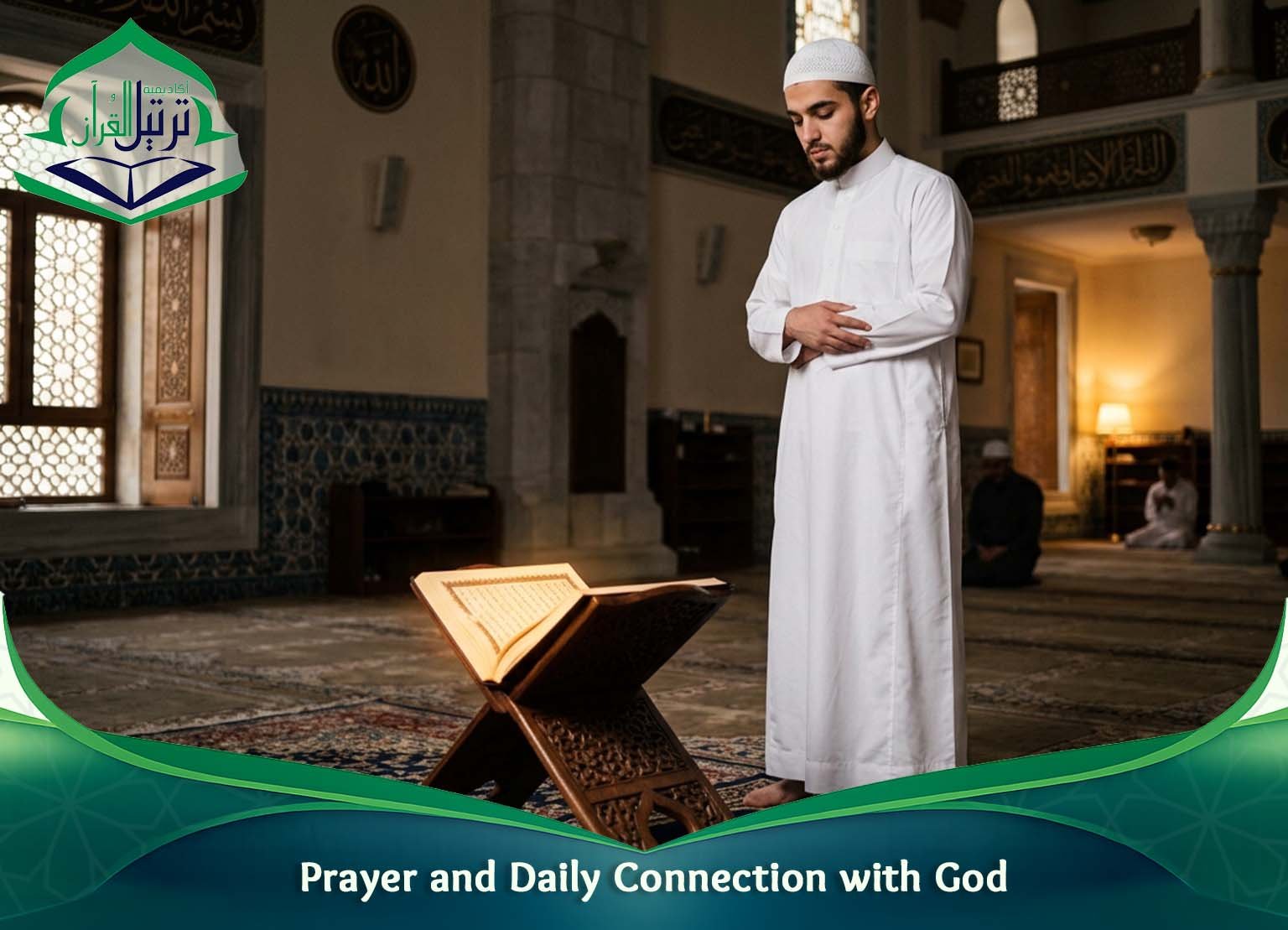
Prayer is performed five times a day and is one of the most important acts of worship in Islam. It establishes a constant and direct connection between a Muslim and God, helping believers remain spiritually aware throughout their daily routine. Each prayer serves as a pause from worldly life, allowing reflection, gratitude, and renewed focus on life’s true purpose.
Prayer brings inner peace, discipline, and mental clarity. It strengthens self-control and reminds believers to avoid wrongdoing while striving to improve their character. Over time, it shapes a balanced lifestyle rooted in mindfulness and responsibility.
This daily connection is one of the most practical facts about teach islam to kids, as it transforms faith from a belief into a continuous lived experience that influences every aspect of life.
Ramadan and Spiritual Discipline
Ramadan is the ninth month of the Islamic calendar, during which Muslims fast from dawn until sunset. The purpose of fasting is not only physical discipline but also spiritual purification.
During this month, Muslims increase their focus on prayer, Quran recitation, and helping others. Through a trusted learn Quran online academy, students can understand the spiritual lessons of Ramadan, while fasting helps develop patience, gratitude, and self-discipline as essential Islamic values.
Learning Islam Step by Step
Learning Islam is a gradual journey that starts with clear and simple foundations. First, a new learner focuses on basic beliefs and daily practices. Then, they move step by step toward deeper understanding of the Qur’an and the life of Prophet Muhammad (peace be upon him).
At the same time, structured study plays an important role. For example, platforms like Tarteel Online Quran academy offer guided lessons that help learners build strong foundations in a simple and organized way. As a result, students understand both knowledge and practice more clearly.
Moreover, learn islam basics online strongly encourages continuous learning. When a person keeps learning, their faith becomes stronger, and they avoid confusion or misunderstanding. In addition, learning helps connect knowledge with real life in a practical way.
Sources of Islamic Values
Islamic values come from authentic and reliable sources that ensure clarity, consistency, and truth. These sources work together to build a complete ethical system.
The Qur’an
The Qur’an is the primary source of guidance in Islam. It teaches honesty, justice, mercy, and good conduct. In addition, it gives clear principles that guide human behavior in all areas of life.
The Sunnah
The Sunnah includes the sayings, actions, and approvals of Prophet Muhammad (peace be upon him). It shows how to apply Qur’anic teachings in real situations. Through his example, Muslims learn patience, kindness, and integrity.
Consensus (Ijma)
When qualified scholars agree on a matter, their agreement becomes an important reference. This helps maintain unity and reduces confusion in understanding religious teachings.
Islamic Jurisprudence (Fiqh)
Fiqh explains how to apply Islamic principles in daily life. It connects general values to practical rulings, especially in new or changing situations.
Islamic Heritage
Islamic scholarship throughout history also adds depth to understanding values. Scholars explained and expanded ethical teachings, making them easier to apply across different cultures and times.
Together, these sources keep Islamic values authentic, balanced, and relevant across generations.
Education and the Role of Learning in Values
Education plays a major role in shaping moral awareness and ethical behavior. When individuals learn Islamic values properly, they gain a clearer sense of purpose and responsibility.
In this context, modern learning tools such as Tarteel online quran academy for beginners UK provide structured programs that combine knowledge with practice. Consequently, students do not only learn theory but also apply what they learn in real life.
Furthermore, interactive methods, practical examples, and guided teaching help learners reflect on their actions. As a result, education becomes a process of both intellectual and moral development.
Contemporary Relevance of Islamic Values
In today’s fast-changing world, online islamic classes education values remain highly relevant. This is because they are based on universal principles such as honesty, justice, and compassion. Therefore, they apply to all people regardless of time or place.
In addition, these values help solve many modern problems, including social inequality, weak trust, and moral confusion. When societies return to these principles, they often experience greater stability and balance.
One important fact about islam is that it offers a complete ethical system that is both flexible and stable at the same time. It guides personal behavior while also shaping social relationships in a positive way.
Misconceptions and Reality in Understanding Islam
Misconceptions about Islam are often the result of limited knowledge, cultural bias, or misinformation rather than the true teachings of the religion itself. In reality, Islam is a faith that strongly emphasizes peace, justice, compassion, and respect for all human beings. It encourages kindness toward neighbors, fairness in dealings, and protection of human dignity regardless of race, nationality, or background.
When people take time to learn Islam from authentic sources, many of these misunderstandings begin to disappear. Proper education plays a key role in correcting false ideas and replacing them with accurate knowledge. This leads to a more balanced and respectful view of the religion.
Ultimately, understanding the truth about Islam helps build bridges between people and promotes harmony in diverse societies.
Frequently Asked Questions (FAQ)
The Frequently Asked Questions section provides clear and concise answers to the most common queries readers may have, helping them better understand the topic without confusion or unnecessary complexity.
1. What are the main Islamic values?
Islamic values include honesty, justice, patience, kindness, humility, compassion, and trustworthiness, all of which guide personal and social behavior.
2. Why are Islamic values important in modern society?
They promote peace, fairness, and cooperation, helping reduce conflicts and build stronger, more stable communities.
3. How can Islamic values be learned effectively?
They can be learned through structured education, reflection, and platforms like Tarteel Online Quran academy, which combine knowledge with practical application.
In conclusion, facts about islam provide a complete understanding of a faith that guides millions of people worldwide. Islam is not only a belief system but a way of life that combines spirituality, morality, and discipline.
Through continuous learning and reflection, and with support from trusted platforms such as Tarteel Online Quran academy, individuals can develop a deeper understanding of their faith and apply it in daily life.
Islam ultimately calls for knowledge, reflection, and connection with God, leading to peace in this life and the next.