
Islamic studies for kids are a key foundation every parent should focus on when raising a Muslim child. Parents often seek ways to make Islamic teachings simple and meaningful for children, aiming to build love, identity, and strong values from an early age.
With the support of Tarteel Online Quran Academy, children can learn in a structured and engaging way that matches their understanding.
In today’s fast-paced world, children face many distractions, so building a strong spiritual base is essential. Islamic education is not only about memorization, but about connection, understanding, and daily practice.
This approach helps parents and teachers create a balanced learning experience where children enjoy learning Islam naturally and apply it in their everyday lives.
Why Early Islamic Learning Shapes a Child’s Identity?
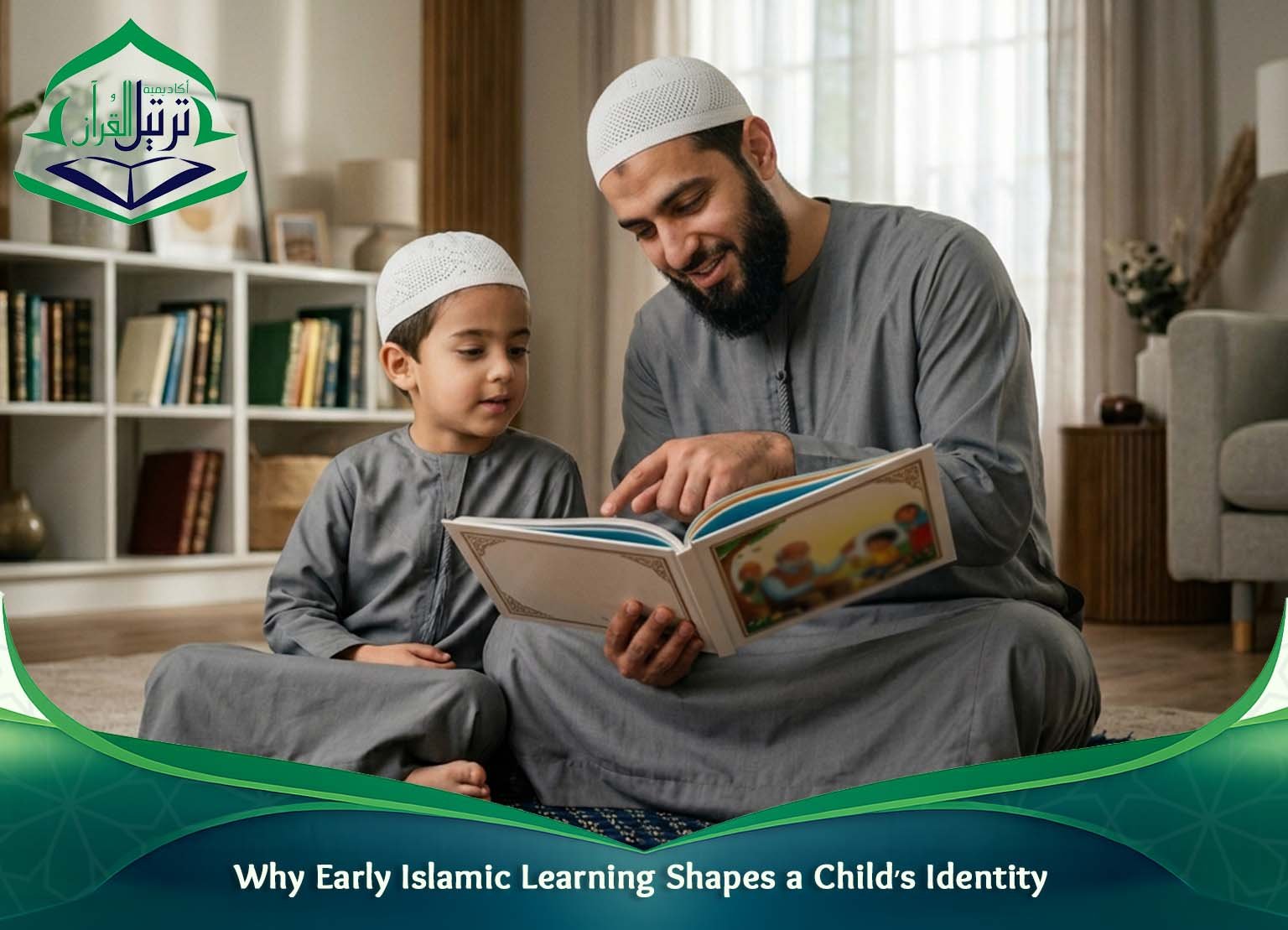
The early years of a child’s life are incredibly influential. What they learn during this stage stays with them for life. When children are introduced to faith lovingly and simply, it becomes part of their personality rather than just information they memorize.
One of the most powerful aspects of early Islamic education is identity building. A child who understands their faith early grows up with clarity about who they are and what values guide them. This sense of identity protects them from confusion and negative influence as they grow older.
Moral development is another key benefit. Children learn honesty, kindness, respect, and patience through stories, examples, and daily practice. These values are not taught as rules alone but as meaningful principles tied to real-life situations.
Family bonding also plays a major role. When parents take time to teach, read, and practice together with their children, it creates emotional closeness. These shared moments become memories that strengthen both faith and family connection.
At this stage, many families find structured guidance helpful. Programs like Tarteel Online Quran Academy provide a supportive environment where children can learn foundational Online islamic classes education concepts in a structured yet engaging way.
Start Teaching Your Kids Islam Today
Start building a strong Islamic foundation for your children through structured, engaging, and easy-to-follow learning at Tarteel Online Quran Academy. Our qualified tutors help kids understand Islamic values, good manners, and essential beliefs through interactive lessons that keep them motivated and actively involved in the learning process.
With flexible scheduling and personalized teaching methods, every child can learn comfortably at their own pace from home without any pressure or stress. Join Tarteel Online Quran Academy today and begin raising a confident, knowledgeable, and spiritually strong generation grounded in authentic Islamic teachings.

Strong Foundations in Islamic Studies for Kids Through Practice
Children learn best through repetition and daily practice rather than lengthy explanations, making steady progress through small, consistent efforts.
This approach is especially effective when developing Quran Recitation with Tajweed rules, as regular practice helps children strengthen their skills and apply correct pronunciation with greater confidence over time.
Simple practices such as saying Bismillah before eating, greeting others with peace, and expressing gratitude after meals help children naturally absorb Islamic values. These actions may seem small, but over time, they shape behavior and mindset.
Stories also play a powerful role. Children remember stories far more easily than abstract explanations. Stories of the Prophets, for example, teach courage, patience, and trust in Allah in a way that feels real and relatable.
To support this journey, Tarteel Online Quran Academy helps parents reinforce these daily habits through guided learning sessions that align with home practices. This consistency between home and structured learning strengthens understanding and retention.
Another important aspect is encouragement rather than pressure. kids quran classes should feel motivated, not forced. Celebrating small achievements, such as memorizing a short surah or practicing good manners, builds confidence and excitement for learning more.
Core Elements of Effective Islamic Education for Children
A well-rounded Islamic education for kids at home includes several key areas that work together to build both knowledge and character.
Stories of Prophets and Moral Lessons
Stories are one of the most effective tools for teaching children. The lives of Prophets such as Nuh, Ibrahim, Musa, and Muhammad (peace be upon them) provide lessons of patience, courage, and faith.
Instead of simply narrating stories, parents and teachers can encourage children to act them out, draw scenes, or retell them in their own words. This interactive approach makes learning active rather than passive.
Programs like Tarteel Online Quran Academy often integrate storytelling into their lessons, helping children connect emotionally with what they learn.
Beliefs and Pillars of Islam
Teaching the basics of belief and the Five Pillars should be done gradually and in a fun way. Children should not feel overwhelmed by too much information at once. For example:
- Prayer can be introduced through a step-by-step demonstration.
- Fasting can be explained through a simple daily practice.
- Charity can be taught using real-life sharing activities.
Repetition helps children learn consistently. When they see practices often, they gradually understand their value and begin to apply them naturally.
Quran Learning and Connection
The Quran should be introduced as a source of love and comfort, not pressure. Children can start by listening to short surahs and gradually move to memorization.
Understanding meaning is just as important as memorization. Even simple explanations help children feel connected to what they are reciting.
With structured guidance from Tarteel Online Quran Academy, children can develop a balanced relationship with the Quran that includes both recitation and understanding.
Creative Methods to Teach Islam in an Engaging Way
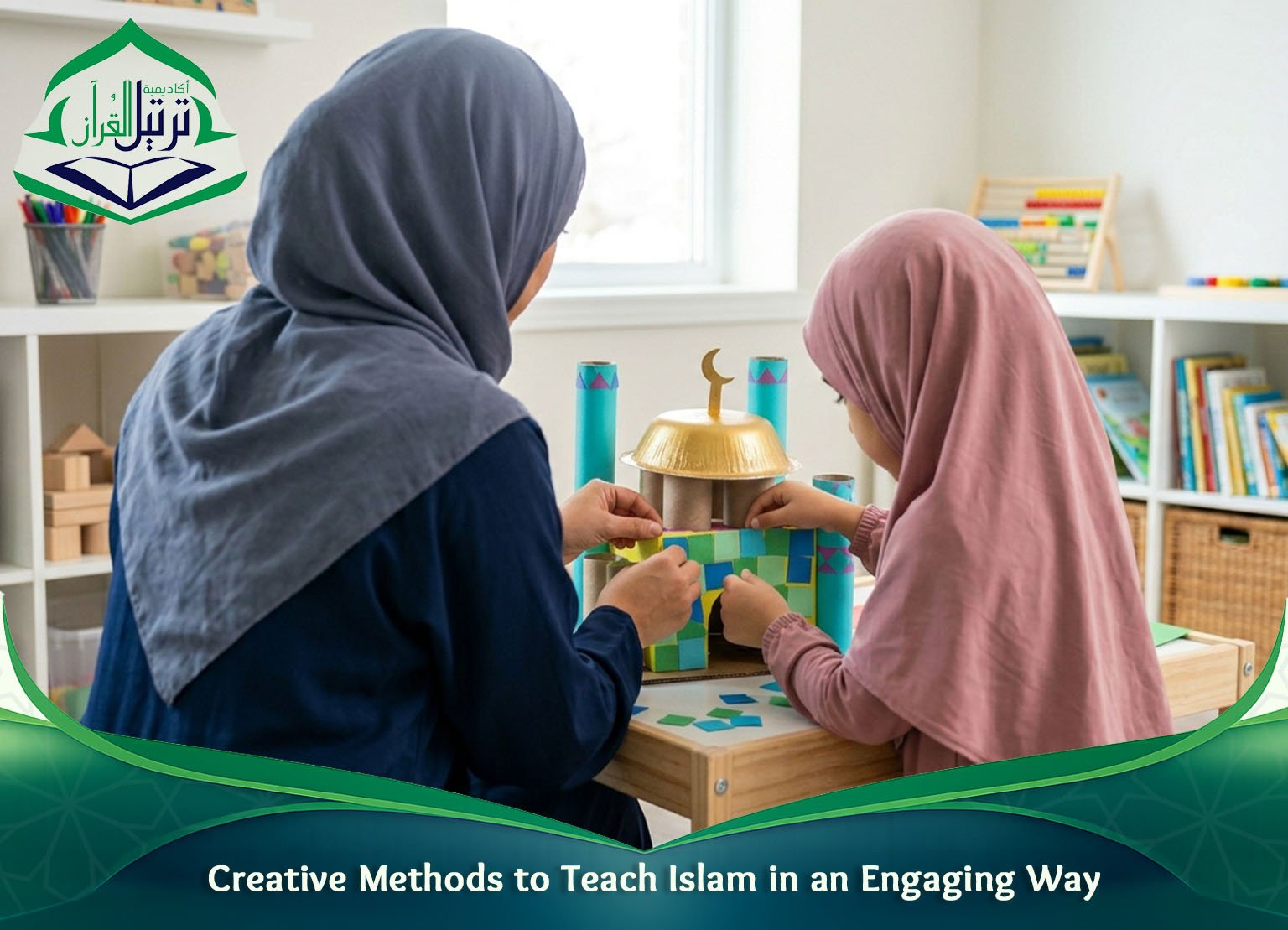
Traditional teaching methods alone are not enough to keep children engaged in Islamic studies for kids. Creativity plays a major role in making lessons enjoyable, memorable, and easier to understand.
Storytelling and Role Play
Children love imagination. When stories are told with expression, emotion, and interaction, they become unforgettable. Asking questions during storytelling encourages critical thinking and reflection, which strengthens their connection to Islamic studies for kids.
Art, Crafts, and Visual Learning
Activities such as drawing mosques, building simple models of the Kaaba, or creating Ramadan calendars make learning hands-on. These creative tasks help children express what they learn in a fun and meaningful way.
Games and Interactive Learning
Educational games like quizzes, flashcards, and matching activities turn learning into enjoyment. When children are engaged, they naturally retain more information and stay motivated in their learning journey.
Daily Life Integration
Islam should not feel like a separate subject. It should be part of everyday life. Teaching children to pray, make dua, and practice good manners daily helps them live their faith naturally.
Support from Tarteel Online Quran Academy ensures that these daily habits are reinforced through structured lessons and gentle guidance.
Age-Based Learning Approach for Better Understanding
Children learn differently depending on their age, so it is important to adjust teaching methods accordingly.
Ages 2–4
At this stage, learning should be simple and sensory-based. Songs, visuals, and repetition work best. Children can learn basic phrases and short duas in a playful environment.
Ages 5–7
Children can start learning stories of Prophets, short surahs, and basic Online islamic center for kids manners. Activities like coloring and storytelling help maintain interest.
Ages 8 and Above
At this stage, children can begin understanding meanings and concepts more deeply. They can explore Quran interpretation in simple terms and engage in reflective discussions. Structured programs like Tarteel Islamic Academy UK provide age-appropriate content that supports each stage of development effectively.
Supporting Children with Structured Learning Environments
While home learning is essential, structured guidance can make a significant difference in consistency and progress. Professional support helps ensure that children are learning correctly and steadily.
Many parents choose Tarteel Online Quran Academy because it combines flexibility with structured learning. This helps children stay consistent while still enjoying a comfortable learning environment from home.
By combining parental involvement with guided instruction, children receive a balanced education that supports both knowledge and character development.
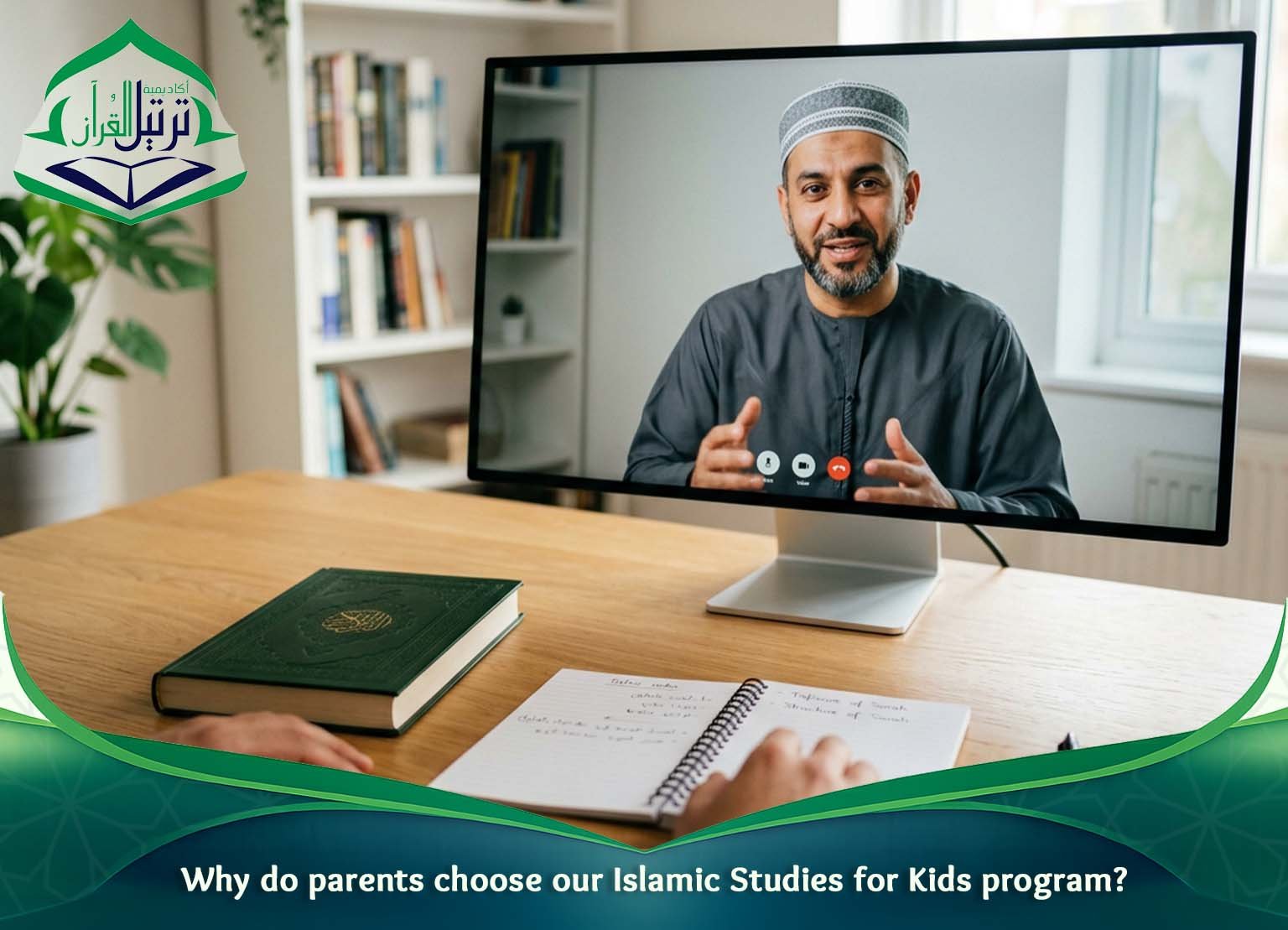
Why do parents choose our Islamic Studies for Kids program?
Frequently Asked Questions
Find quick answers to the most common questions about children’s Islamic learning and how to support their educational journey effectively.
1. At what age should children start learning Islam?
Children can begin learning basic Islamic values as early as toddler age through simple habits, stories, and daily practices.
Many students pair this with our Arabic Class for Kids to round out their learning. For learners who want to go further, take a look at our What Is Islamic Fiqh? A Complete Beginner’s Guide.
2. How can parents keep children interested in Islamic learning?
Using storytelling, games, crafts, and daily routines makes learning enjoyable, engaging children naturally while reducing stress and helping them absorb information effectively.
3. Is online learning effective for Islamic education?
Yes, when combined with parental support, structured online programs like Tarteel Online Quran Academy can be highly effective for consistent and guided learning.
In conclusion, providing children with a strong foundation in Islamic education helps shape their identity, behavior, and values from an early age. When learning is simple, structured, and supportive, children naturally develop a deeper connection with their faith.
A well-designed program encourages consistency, confidence, and love for learning, ensuring that children not only gain knowledge but also apply it in their daily lives in a meaningful way.