
Laylat al-Qadr is one of the most significant nights in Islam, offering Muslims an opportunity to strengthen their faith, seek forgiveness, and draw closer to Allah during Ramadan. Known as the Night of Decree or the Night of Power, it holds a special place in the Quran and Islamic tradition because of its connection with the revelation of the Holy Quran.
For Muslims around the world, this blessed occasion is a time for sincere prayer, reflection, Quran recitation, and heartfelt supplication. However, understanding its significance involves more than knowing its name or waiting for a particular date. It also means learning how to prepare for the last ten nights of Ramadan and make worship a meaningful part of everyday life.
Through this guide, readers can explore the meaning of this night, its spiritual virtues, the best time to seek it, and practical acts of worship. In addition, families looking to strengthen their Quran learning habits can discover how Tarteel Online Quran Academy can support consistent recitation and Islamic learning throughout the year.
Understanding the Night of Decree in Islam

The Arabic expression Laylat al-Qadr is commonly translated as the Night of Decree or the Night of Power. The word laylah means night, while qadr can convey meanings associated with decree, measure, honor, and greatness. These meanings help explain why the occasion holds such an important position in Islamic belief.
The Quran dedicates an entire chapter, Surah Al-Qadr, to this night. Its opening verse states that the Quran was sent down during the Night of Decree. The following verses describe its extraordinary value, the descent of angels by Allah’s permission, and the peace associated with the night until dawn.
Consequently, Muslims understand this occasion as an opportunity to renew their faith and approach Allah with humility. It is not simply a historical event remembered once a year; rather, it encourages believers to increase their worship and seek spiritual improvement.
Although Muslims may discuss its signs and timing, the central purpose remains clear: sincere devotion, righteous actions, and a stronger relationship with Allah.
Start Your Islamic Learning Journey Today
Join Tarteel Online Quran Academy today and begin a meaningful Islamic learning experience designed for children, adults, and beginners worldwide. Our qualified Quran teachers provide interactive lessons, flexible schedules, and personalized guidance to help students improve their Quran recitation, understand Islamic teachings, and strengthen their connection with Allah.
Through structured online classes, learners can study comfortably from home while receiving professional support at every step. Start your journey today and build a strong spiritual foundation with trusted Quran education.

Why Is Laylat al-Qadr Important in Islam?
The importance of this night comes from its direct connection with the Quran and the exceptional reward described in Islamic teachings. Surah Al-Qadr explains that worship during this night is better than worship performed over a thousand months.
This comparison highlights an extraordinary opportunity for spiritual growth. A thousand months amount to more than eighty-three years, making the Quran’s description a powerful reminder of the value of sincere worship.
Furthermore, the Quran describes angels and the Spirit descending by their Lord’s permission. The night is also characterized by peace until dawn, emphasizing its special status within Ramadan.
Muslims therefore approach this occasion with hope, humility, and a desire for forgiveness. Instead of focusing only on outward practices, they are encouraged to consider the sincerity of their intentions, the quality of their prayers, and the way their faith influences their behavior. The following points summarize its significance:
- Connection with revelation: The Quran identifies this night as the time when the revelation of the Quran began.
- Exceptional spiritual value: Surah Al-Qadr describes it as better than a thousand months.
- Opportunity for forgiveness: Islamic teachings encourage believers to seek Allah’s mercy through sincere worship.
- A time for reflection: Muslims can review their actions, renew their intentions, and strengthen their commitment to righteous living.
- Renewed Quran engagement: The occasion encourages believers to read, understand, and reflect on the Quran.
Laylat al-Qadr and the Revelation of the Quran
The relationship between this night and the Quran is one of its defining features. Surah Al-Qadr explicitly connects the Night of Decree with the sending down of the Quran, giving the occasion a central place in Islamic spirituality.
For Muslims, this connection offers a meaningful reason to increase Quran recitation during Ramadan. Reading the Quran becomes more than a routine activity; it provides an opportunity to reflect on divine guidance and consider how its teachings can shape daily decisions.
However, meaningful engagement does not require completing a large number of pages in a single sitting. Some readers benefit from reading several pages slowly, while others prefer studying a short passage with translation and explanation. A practical approach can include:
- Reading a manageable portion of the Quran each day.
- Reviewing the meanings of unfamiliar verses.
- Listening to a qualified teacher when pronunciation or interpretation is unclear.
- Reflecting on one lesson that can be applied in daily life.
- Maintaining the habit after Ramadan instead of treating it as a temporary activity.
For learners who need structured instruction, Tarteel Online Quran Academy can be considered as an option for developing regular Quran study habits. The most useful learning approach is one that matches the student’s current level, schedule, and educational goals.
What Does “Better Than a Thousand Months” Mean?
The statement that this night is better than a thousand months comes from Surah Al-Qadr, verse three. It communicates the exceptional value of worship associated with this occasion and encourages believers to make the most of Ramadan’s final nights.
The comparison should not be treated as a simple calculation of reward. Instead, it emphasizes the spiritual significance Allah has assigned to this night. The verse inspires Muslims to approach worship with hope rather than viewing their efforts as insignificant.
For example, a person who has struggled to maintain regular prayer may use these nights to rebuild a consistent routine. Another person may focus on repentance, while a family may dedicate time to reading the Quran together.
Importantly, spiritual improvement does not depend on performing every possible act of worship at once. Sincerity, attentiveness, and consistency can help make religious practices more meaningful.
This understanding also encourages Muslims to continue good deeds after Ramadan. The benefit of a blessed night can extend into daily life when its lessons lead to greater patience, kindness, honesty, and responsibility.
When Is Laylat al-Qadr?
The exact date of this night is not definitively established for Muslims to identify in advance. Islamic teachings direct believers to seek it during the last ten nights of Ramadan, with particular attention given to the odd-numbered nights.
These nights traditionally include the twenty-first, twenty-third, twenty-fifth, twenty-seventh, and twenty-ninth nights. Nevertheless, Muslims should not assume that the occasion must occur on one fixed date every year.
The twenty-seventh night is often given special attention in Muslim communities. However, that practice should not lead people to neglect the other nights, since Islamic reports encourage seeking the blessing throughout the final part of Ramadan.
A useful approach is to plan worship for all ten nights according to one’s ability. People who cannot stay awake for long periods can still pray, read Quran, make supplications, and remember Allah at suitable times.
Why Is the Exact Night Not Certain?
The uncertainty encourages believers to make a sustained effort rather than concentrating all their worship on a single evening. If everyone knew the exact date, some might devote themselves only to that night and overlook the remaining opportunities for worship.
Instead, the final ten nights invite Muslims to remain spiritually attentive and consistent. This approach also accommodates different circumstances, including work responsibilities, family commitments, illness, and limited energy. A simple plan can help:
- Identify the beginning of the final ten nights using the local Ramadan calendar.
- Mark the nights when additional prayer and Quran recitation are possible.
- Prepare a short list of personal supplications.
- Set aside time for repentance and reflection.
- Avoid exhausting routines that make continued worship difficult.
Signs Associated With Laylat al-Qadr
Muslims often ask how they might recognize this night. Islamic discussions include reports about signs that may be noticed around it, but these signs should be approached carefully rather than treated as a guaranteed way to identify the exact date.
Some religious reports describe the following morning’s sun as rising without its usual strong rays. Such descriptions are traditionally discussed as possible signs, not as a requirement that every person must observe.
Similarly, people may describe a night as unusually peaceful or spiritually moving. Personal feelings, however, cannot independently establish that a particular night is the Night of Decree.
It is therefore important to distinguish between religiously transmitted descriptions and popular claims that lack reliable support. Muslims do not need to witness a special physical event to benefit from sincere worship.
The most practical guidance is to seek the night through prayer, supplication, Quran recitation, and good deeds throughout the recommended period.
Common Misunderstandings About Its Signs
- Expecting a dramatic event: A person should not assume that a supernatural experience must occur.
- Relying entirely on the weather: Ordinary weather conditions cannot establish the night with certainty.
- Treating dreams as proof: A dream should not be used as a universal or definitive method for identifying the date.
- Ignoring other nights: Focusing exclusively on the twenty-seventh night may cause someone to miss opportunities on the remaining nights.
- Judging worship by feelings alone: A quiet or emotionally powerful experience does not replace sincere religious practice.
Ultimately, the absence of a noticeable sign does not mean that worship was wasted. Believers can continue seeking Allah’s mercy without needing confirmation of the exact night.
Best Acts of Worship During Laylat al-Qadr
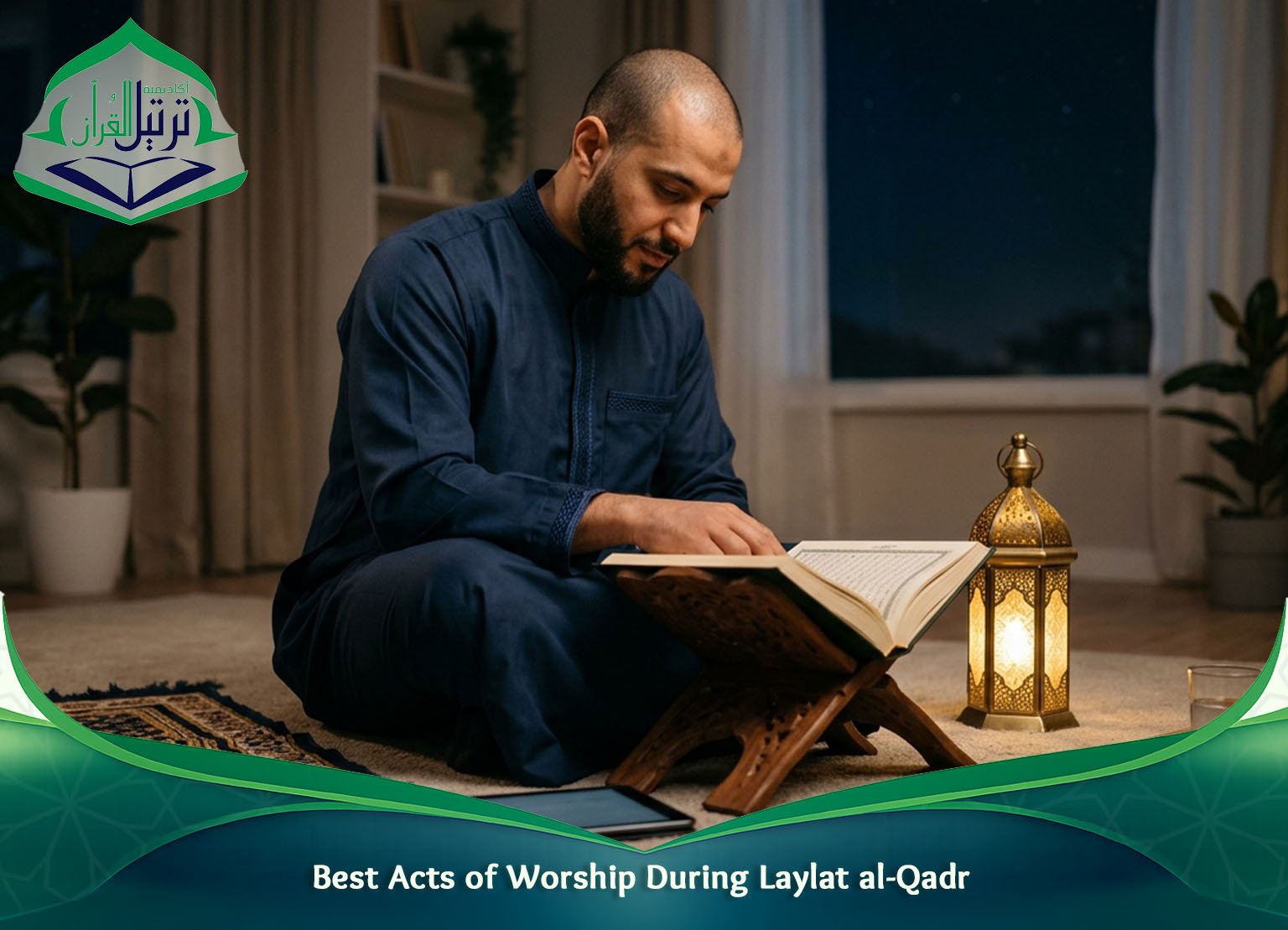
There is no single routine that every Muslim must follow in precisely the same way. Instead, believers can combine established acts of worship according to their circumstances, ability, and understanding. Parents can explore Islamic studies for kids to help children understand Islamic beliefs and develop good habits through age-appropriate lessons.
The aim is to worship sincerely, avoid unnecessary distractions, and make use of the time before dawn.
1. Perform Night Prayers
Night prayer is among the central acts of worship associated with Ramadan’s final nights. Muslims may perform voluntary prayers after the obligatory night prayer, following the practices and guidance familiar to their community.
Rather than choosing a routine that causes exhaustion, start with a manageable amount of prayer and increase it when possible. Concentrating on the meaning of what is recited can also help make prayer more reflective.
2. Recite the Holy Quran
Quran recitation is particularly meaningful because of the connection between the occasion and revelation. Readers can choose a familiar surah, continue a planned reading schedule, or review passages they have already memorized. Beginners can consider noorani qaida classes to build their Arabic letter recognition and reading skills progressively.
Furthermore, reading a translation or a reliable explanation can help learners reflect on the message instead of focusing exclusively on completing pages. Regular practice also helps learners read quran correctly by improving pronunciation and applying Tajweed rules as their skills develop.
3. Make Sincere Dua
Supplication allows believers to ask Allah for forgiveness, guidance, mercy, and help with their concerns. It can be made in Arabic or in another language the person understands, according to the nature of the supplication.
A useful practice is to prepare a short list of personal requests before the evening begins. This can help prevent distraction and make the time more focused.
4. Seek Forgiveness
Repentance involves acknowledging mistakes, sincerely seeking forgiveness, and making a genuine effort to change harmful behavior. It is not limited to repeating particular words without reflection.
For example, someone may ask Allah to forgive shortcomings in worship while also resolving to improve honesty, patience, or treatment of others. Anyone looking for a structured introduction to Islamic beliefs and practices can also learn Islam step by step at a pace that suits their existing knowledge.
5. Remember Allah
Dhikr, or the remembrance of Allah, can fill quiet moments throughout the night. Believers may use familiar forms of glorification, praise, and seeking forgiveness.
Short periods of remembrance can be especially helpful for people who feel tired or cannot stand for extended prayers.
6. Give Charity and Help Others
Charity can include financial support, providing food, helping a neighbor, or assisting someone who needs practical support. The amount is less important than acting sincerely and responsibly within one’s means.
In addition, kindness toward family members and respectful treatment of others can make worship more consistent with the ethical teachings of Islam.
7. Reflect on Personal Growth
Set aside a few minutes to consider the habits that need improvement. A person might reflect on missed prayers, neglected relationships, harsh speech, or opportunities to help others.
This reflection can lead to specific goals for the months after Ramadan, making the occasion part of a longer journey of spiritual development.
The Best Dua for Laylat al-Qadr
One of the most widely recommended supplications for this night is the dua that the Prophet Muhammad taught Aisha, as reported by al-Tirmidhi.
The supplication asks Allah for pardon and forgiveness.
Arabic:
اللَّهُمَّ إِنَّكَ عَفُوٌّ تُحِبُّ الْعَفْوَ فَاعْفُ عَنِّي
Transliteration:
Allahumma innaka ‘afuwwun tuhibbul-‘afwa fa’fu ‘anni.
Meaning:
“O Allah, You are Most Forgiving, and You love forgiveness, so forgive me.”
This short dua focuses on Allah’s forgiveness. Muslims can repeat it throughout the final nights while also making other sincere supplications.
How to Make Dua With Greater Focus?
- Begin by praising Allah and expressing gratitude for His blessings.
- Ask for forgiveness for known and forgotten mistakes.
- Pray for guidance, steadfast faith, and a good ending.
- Remember family members and people facing hardship.
- Ask for help in fulfilling responsibilities and correcting harmful habits.
- Continue making dua with humility, patience, and hope.
There is no need to use complicated language. Sincerity and a clear understanding of what you ask Allah can make personal supplication more meaningful.
How to Prepare for the Last Ten Nights of Ramadan?
Good preparation can make worship easier, particularly for people balancing work, education, childcare, and other responsibilities. A simple plan reduces the need to make decisions when energy is low.
First, review your daily schedule and identify realistic periods for worship. Next, prepare a quiet place for prayer and Quran reading. Finally, decide which practices matter most to you and make time for them consistently. Consider these practical preparations:
- Complete necessary household tasks earlier when possible.
- Arrange sleep and rest so that additional worship remains manageable.
- Prepare Quran passages or reading materials in advance.
- Write down important personal supplications.
- Reduce unnecessary phone use and distracting entertainment.
- Plan meals and hydration appropriately outside fasting hours.
- Make room for family worship without forcing everyone to follow an identical routine.
People with demanding schedules can divide their worship into shorter sessions. For instance, a person may pray after Isha, read Quran before sleeping, and wake for a brief period before dawn. Adults who want to maintain memorization alongside work and family commitments may benefit from an online hifz program for adults that fits their schedule.
The goal is not to create the longest schedule. Instead, a sustainable plan can help a person remain attentive throughout the final ten nights.
A Simple Night Worship Plan for Beginners
Beginners do not need an elaborate program to participate meaningfully. A short routine can provide structure while leaving room for personal circumstances.
| Activity | Suggested approach |
|---|---|
| Begin with intention | Set a sincere purpose for worship. |
| Night prayer | Pray according to your ability and familiar religious guidance. |
| Quran recitation | Read a manageable portion with attention. |
| Dua | Repeat the recommended supplication and make personal requests. |
| Dhikr | Spend a few quiet minutes remembering Allah. |
| Reflection | Identify one practical improvement for daily life. |
| Before dawn | End with further supplication and prepare for Fajr. |
This schedule is a flexible example rather than a required religious formula. People may adapt it according to their health, responsibilities, and level of experience.
For those unable to remain awake all night, shorter periods of sincere worship are a practical starting point. Consistency can gradually help build confidence and establish a routine.
Teaching Children About Laylat al-Qadr
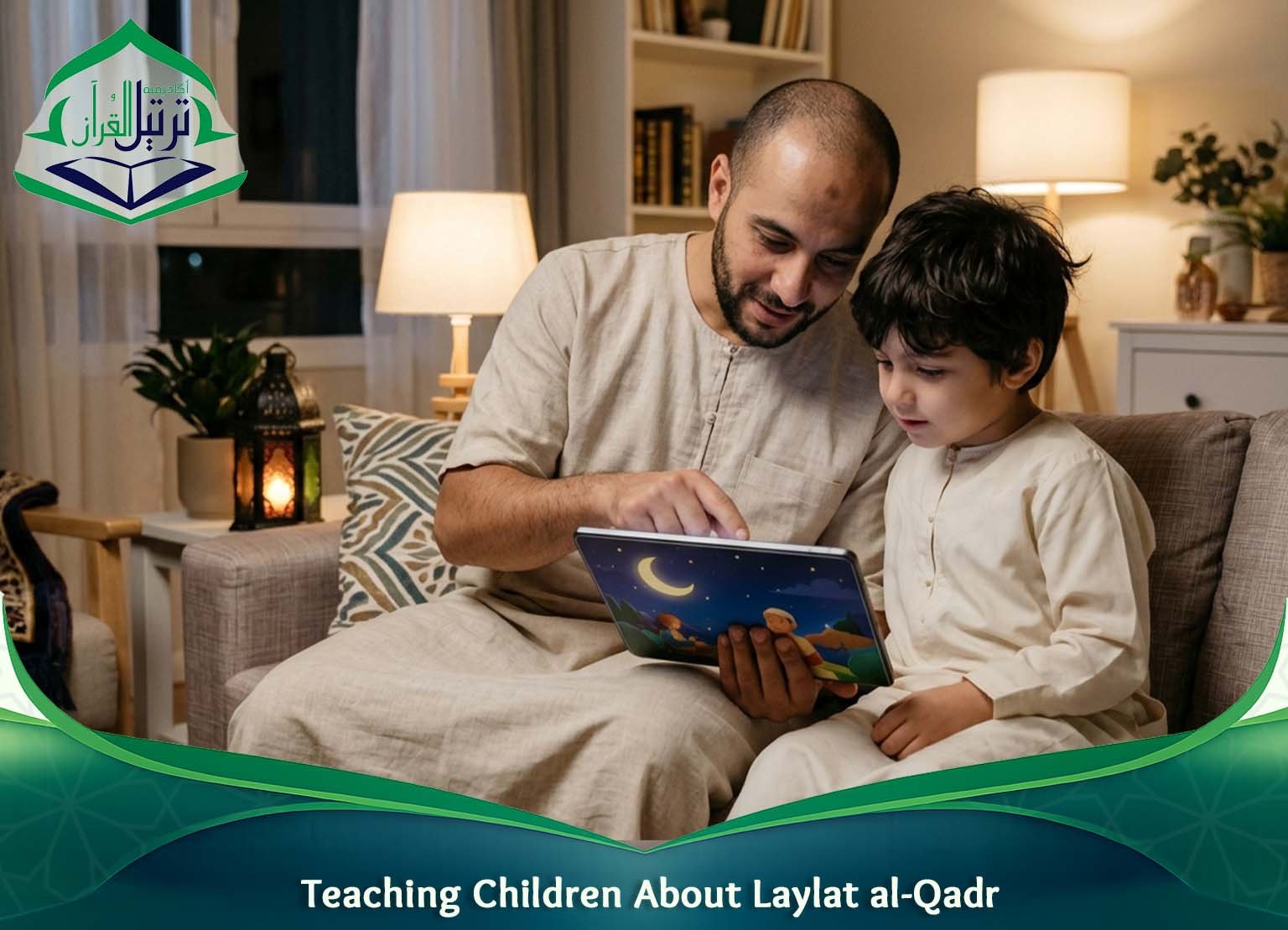
Introducing children to this occasion can help them understand Ramadan as a month of worship, kindness, and learning. However, lessons should suit their ages and attention spans rather than relying on long explanations or demanding schedules.
Young children may benefit from a short story about the Quran, a simple explanation of the night, or a family activity involving gratitude and good deeds.
Older children can explore Surah Al-Qadr, learn its meaning, and discuss why Muslims increase their worship during the final nights. Parents can also encourage them to make personal supplications using words they understand. Helpful activities include:
- Reading a short passage from the Quran together.
- Learning the meaning of the recommended dua.
- Creating a list of kind actions to complete during Ramadan.
- Discussing how forgiveness and honesty affect everyday relationships.
- Setting a realistic bedtime and worship routine.
- Encouraging questions about Islamic beliefs and practices.
Most importantly, adults should model the behavior they hope children will develop. Calm explanations and consistent examples often make religious learning more meaningful than pressure or criticism.
Learning the Quran With Tarteel Online Quran Academy
Ramadan can encourage learners to reconsider their Quran reading habits and identify areas that need improvement. Some students want to improve Arabic pronunciation, while others need help with reading fluency, memorization, or understanding the rules of recitation.
Tarteel Online Quran Academy may be an option for families seeking structured online Quran instruction. Before choosing any educational program, learners should consider the teacher’s qualifications, the curriculum, lesson format, and whether the program matches their needs. A useful Quran learning plan can include:
- Reading accuracy: Practise recognizing letters and reading words correctly.
- Tajweed development: Study pronunciation and recitation rules with qualified instruction.
- Memorization: Set realistic targets and review previously learned passages.
- Understanding: Use reliable translations and explanations to explore meanings.
- Consistency: Establish regular study times that remain manageable beyond Ramadan.
Online lessons can be particularly convenient for students who need to study around school, work, or family responsibilities. Nevertheless, the quality of instruction and the learner’s regular practice matter more than the delivery method alone.
Tarteel Online Quran Academy can be considered as part of a broader learning plan when its available teaching options align with the student’s goals. Families should confirm the current course details directly rather than assuming that every program offers the same features.
Continuing Quran Learning After Ramadan
The end of Ramadan does not need to mark the end of Quran study. In fact, a small daily habit helps learners maintain the progress they make during the month.
Beginners can practise Arabic reading for ten minutes each day. Learners with stronger reading skills can focus on Tajweed, review memorized passages, or study the meanings of selected verses.
Parents can support their children by setting a regular study time and praising consistent effort instead of demanding unrealistic progress. Adult learners can also track completed lessons and review difficult passages before advancing to new material.
Tarteel Online Quran Academy may suit learners who want to continue studying after Ramadan, depending on their needs and the academy’s current services. Whatever learning method they choose, students can strengthen their skills through regular practice and helpful feedback.
Common Mistakes to Avoid During the Last Ten Nights
Unrealistic expectations can make spiritual preparation stressful. A balanced approach helps Muslims focus on worship without creating unnecessary pressure.
- Waiting only for the twenty-seventh night: Many Muslims pay special attention to this night. However, they should seek Laylat al-Qadr throughout the last ten nights rather than focus on one date.
- Trying to do too much at once: An exhausting schedule can weaken concentration and make consistent worship harder. Set realistic goals that fit your energy and responsibilities.
- Ignoring obligatory responsibilities: Do not let voluntary worship interfere with essential duties, family responsibilities, or other people’s rights.
- Repeating supplications without understanding them: Memorized duas offer value, but learning their meanings helps you reflect on your requests and connect with their messages.
- Accepting unverified religious claims: Check claims about guaranteed signs, special rituals, and specific rewards against reliable Islamic sources before accepting or sharing them.
- Abandoning good habits after Ramadan: Build a small, sustainable routine that helps you continue your progress after the month ends.
- Comparing your worship with others: Everyone has different abilities, health needs, and responsibilities. Focus on sincere effort and choose a routine that fits your circumstances.
How Can Laylat al-Qadr Influence Daily Life?

The lessons of Laylat al-Qadr can shape a person’s life long after Ramadan ends. Sincere worship encourages believers to improve their character, strengthen relationships, and fulfill their responsibilities alongside their devotional practices.
For example, asking Allah for forgiveness may inspire someone to apologize to a person they have hurt. Reading the Quran can motivate learners to practise patience, fairness, and generosity. Setting aside time for prayer can also help people organize their daily responsibilities more thoughtfully.
You do not need to change everything at once. Start with one realistic goal, such as speaking more kindly, maintaining regular prayers, or helping a family member consistently.
Parents can apply this principle at home by connecting Quran lessons with everyday behavior. Children understand religious values more clearly when adults demonstrate kindness, treat others fairly, and resolve disagreements respectfully.
Ultimately, Laylat al-Qadr offers more than an opportunity for worship on a single evening. Its spiritual significance can inspire lasting habits, deeper reflection, and a stronger commitment to Islamic teachings.
Frequently Asked Questions About Laylat al-Qadr
Explore these frequently asked questions about Laylat al-Qadr, including worship during menstruation, staying awake, making dua, and managing illness.
1. Can someone seek Laylat al-Qadr while menstruating?
Yes. A menstruating woman can remember Allah, make dua, seek forgiveness, and practise other forms of worship permitted under the relevant Islamic guidance. Scholars differ on some questions involving Quran recitation and touching a physical copy of the Quran. She can consult a trusted scholar for guidance that follows her school of thought.
2. Is it necessary to stay awake for the entire night?
No. Muslims do not need to remain awake every minute to seek Laylat al-Qadr. They can pray, remember Allah, and make supplications according to their abilities and circumstances. People with work, caregiving duties, or health concerns should also allow time for adequate rest.
3. Can a person make dua in their own language?
Yes. Personal supplication in a language you understand helps you express your needs and concerns clearly. However, distinguish personal dua from prescribed wording in specific acts of prayer, where particular Islamic rulings may apply.
4. What should someone do if they miss a night because of illness or exhaustion?
Continue seeking Allah’s mercy without despair or unnecessary guilt. You can worship during the remaining nights through supplication, remembrance, and other permissible good deeds that suit your circumstances. Consider illness and exhaustion when planning your worship instead of treating it as a competition.
Conclusion
Laylat al-Qadr holds great significance in Islam because of its connection with the Quran, its exceptional spiritual value, and its opportunities for prayer, repentance, and reflection. Muslims should seek this night throughout the last ten nights of Ramadan instead of relying on one date or an uncertain physical sign.
A thoughtful plan can include night prayer, Quran recitation, sincere supplication, remembrance of Allah, and kindness toward others. Realistic goals also help people maintain their worship while protecting their health and fulfilling essential responsibilities.
For families and individual learners, Ramadan can mark the beginning of more consistent Quran study. Tarteel Online Quran Academy may suit learners whose educational needs match its available services. Above all, carry the values of faith, forgiveness, kindness, and regular Quran engagement into everyday life to extend the benefits of Ramadan beyond the month itself.